Hi Everyone!
In Parts I and II creams and ointments were addressed. Today let's talk about Gels.
A Gel is a water based preparation designed to deliver medication to the skin and mucous membranes. Because it is water based, it absorbs quickly and doesn't remain on the skin as long as creams or ointments do. It is best used for areas of skin that are generally left exposed such as hands and face, or when a dressing is not able to be applied.
Summary:
Creams: Water and oil emulsion. Less oil than ointments. Usually formulated to be non-greasy and to stay on skin/surface a medium amount of time. Best used for all skin areas. May need a dressing applied. Wears off faster than ointments but stays longer than Gels.
Ointments: Water and oil emulsion. More oil than creams so they tend to feel "greasier". Greater amount of oil helps medication remain on skin longer and provides a protective barrier. Best used on areas that are not exposed or where a dressing can be applied as well as for wounds/issues that may require longer healing time and greater exposure to medication.
Gels: Water based preparations. Wears of faster than creams or ointments. Best used on exposed areas of skin or where dressings may not be applied.
I hope this information will assist with choosing the right medication format for you and your family. I welcome all positive feedback and constructive contributions.
Next week: Homeopathic: What does it mean?
Have a great week. To Your Health!
Sincerely,
Deanna and Ray
Saturday, September 2, 2017

Saturday, August 26, 2017
Cream, Gel, Ointment Part 2: Ointments
Hi Everyone,
Last week I covered creams as a vehicle for administering medication to skin and mucous membranes. Creams are an oil and water emulsion that are formulated to stay on the skin longer than gels, but not as long as ointments. Most creams are now designed to be non-greasy and quick absorbing. So how do they differ from ointments?
Ointments are also oil and water emulsions, however, they have a higher oil content. The higher oil content creates a preparation that will adhere to the skin longer and thus provide longer medicinal contact for wounds/areas that may need increased healing time. The higher oil content may also create a "greasy" feeling when the preparation is applied as it doesn't absorb as quickly as creams. This feature of ointments can also create a protective barrier around the wound and the wound bed which may or may not need a dressing to prevent removal from rubbing against clothing or other contact agents. Ointments may not be suitable for skin areas that are usually left uncovered, such as face and hands, unless a dressing can be applied.
Stay tuned for next weeks Part 3: Gels.
Sincerely and To Your Health,
Deanna
Last week I covered creams as a vehicle for administering medication to skin and mucous membranes. Creams are an oil and water emulsion that are formulated to stay on the skin longer than gels, but not as long as ointments. Most creams are now designed to be non-greasy and quick absorbing. So how do they differ from ointments?
Ointments are also oil and water emulsions, however, they have a higher oil content. The higher oil content creates a preparation that will adhere to the skin longer and thus provide longer medicinal contact for wounds/areas that may need increased healing time. The higher oil content may also create a "greasy" feeling when the preparation is applied as it doesn't absorb as quickly as creams. This feature of ointments can also create a protective barrier around the wound and the wound bed which may or may not need a dressing to prevent removal from rubbing against clothing or other contact agents. Ointments may not be suitable for skin areas that are usually left uncovered, such as face and hands, unless a dressing can be applied.
Stay tuned for next weeks Part 3: Gels.
Sincerely and To Your Health,
Deanna
Saturday, August 19, 2017
Cream, Gel, Ointment - What's the Difference? Is There One?
Hi Everyone.
I just asked myself that question as I was adding products to our inventory and realized that some of the medications came in several different preparations: Cream, Gel, and Ointment. I had a vague idea of each term and thought they could be used interchangeably. Not so. I consulted several medical dictionaries and realized that each preparation is designed to deliver the medication in a specific manner.
This week I'll address Creams. Next week Ointments and the following week, Gels.
Creams:
Cream [Gk, chrisma,oil], 1. the portion of milk rich in butterfat. 2. any fluid mixture of thick consistency. Creams are often used as a method of applying medication to the surface of the body. Compare ointment. Mosby's Dictionary of Medicine, Copyright 2006
The Gale Encyclopedia of Medicine, Copyright 2008 gives this definition: A spreadable substance, similar to an ointment, but not as thick. Creams may be more appropriate than ointments for application to exposed skin areas such as the face and hands.
Creams are essentially a water and oil emulsion. They are used to deliver medication via application and absorption to and through the skin and mucus membranes. Creams generally absorb faster and are less greasy than ointments. They provide longer healing contact/action than gels.
See next week's blog on Ointments.
Sincerely,
Deanna - "To your health".
I just asked myself that question as I was adding products to our inventory and realized that some of the medications came in several different preparations: Cream, Gel, and Ointment. I had a vague idea of each term and thought they could be used interchangeably. Not so. I consulted several medical dictionaries and realized that each preparation is designed to deliver the medication in a specific manner.
This week I'll address Creams. Next week Ointments and the following week, Gels.
Creams:
Cream [Gk, chrisma,oil], 1. the portion of milk rich in butterfat. 2. any fluid mixture of thick consistency. Creams are often used as a method of applying medication to the surface of the body. Compare ointment. Mosby's Dictionary of Medicine, Copyright 2006
The Gale Encyclopedia of Medicine, Copyright 2008 gives this definition: A spreadable substance, similar to an ointment, but not as thick. Creams may be more appropriate than ointments for application to exposed skin areas such as the face and hands.
Creams are essentially a water and oil emulsion. They are used to deliver medication via application and absorption to and through the skin and mucus membranes. Creams generally absorb faster and are less greasy than ointments. They provide longer healing contact/action than gels.
See next week's blog on Ointments.
Sincerely,
Deanna - "To your health".
Monday, May 22, 2017
How Do I Know Whether My Supplement Is Working Or Not?
So, you've invested in yourself, done a little research, and plunged into the world of healthy, organic, natural supplements. Now you're wondering whether or not they're actually working and doing everything they advertised they would. Or, did you just spend a small fortune on nothing?
First things first! YOU are not nothing! Your Health is not nothing! To phrase it in a more positive light; You and your Health are worth the effort and investment you are making. Sure, there is a learning curve especially since what works for one person won't always work for someone else and won't always work the same way for you depending upon your body's needs. Frustrating?! Yup!!
Here are some tips that I have learned personally and through experience as an RN.
1. Our bodies are slow to change. In general, it takes 3-6 weeks for new medications/supplements to reach therapeutic levels and for your body to register the benefits. You may begin sensing benefits sooner, however, whether this is physiological or psychological is under debate. I believe that it's both. Knowing you're doing something good for you and your health coupled with taking the action is powerful.
2. We live in a time of such need for instant gratification that we either don't give the supplements enough time or we expect such a dramatic difference that we aren't looking for the smaller effects along the way. Here's where keeping a daily journal can really come in handy. For example, I keep a journal for Pain, Stiffness, Sleep, Mental Fog, Mental Energy, and Physical Energy rating them several times throughout the day every day. I also note when I start or stop any new supplements or diet changes as well as when I cheat or miss my vitamins. Reviewing the trends has really helped to see what has worked, when has it worked and why might it not have worked.
3. Many people report not noticing how much supplements or medications have helped until they've quit taking them or forgotten to refill the prescription. Again, this may take 2-4 weeks.
4. Ask your friends and family if they have noticed any changes. They can be a better gauge than you sometimes.
5. How about you? How do you feel and look? Not only at this moment but overall since beginning your journey. (Again, I suggest keeping track of this daily in a journal. It's easy to forget how bad we felt once we feel better and vice versa).
6. Be honest and be prepared to try several different brands or products in order to find the one that works best for you.
We would love to hear from you. Please let us know what works for you. Visit our Blog at www.ProperHealthSolutions.com
To your Health!
Deanna and Ray Proper
Monday, May 15, 2017
Hydration Highlights
Hi Everyone!
Now that Spring is well under way and Summer is almost upon us, it's time to give a shout out and remind everyone about proper hydration, and review signs and symptoms of dehydration.
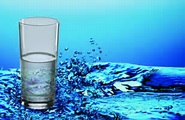
Signs and Symptoms: Dehydration affects every system but is most noticeable in skin and heart changes.
Increased heart rate, weak pulse, low blood pressure, dry mouth/eyes/nose, dry/hot/cracked skin. Other common signs/symptoms include: headache, visual disturbances, change in cognition, weight loss, light-headedness, dizziness, irritability, shallow rapid breathing, fever.
If re-hydration with fluids and/or electrolyte replacement drinks has been attempted and signs/symptoms persist, or cognition has altered and fluids cannot be taken orally, take the person to the nearest emergent care facility for assessment and assistance.
Common Causes: Vomiting, diarrhea, sweating, burns (even sunburn), severe wounds, diuretic use, laxative use, diabetes insipidus, impaired swallow/thirst, fever, ileostomy, hyperventilation, any combination.
Most commonly dehydration is caused by taking in less fluid than the body requires and/or puts out, and can be easily corrected by increasing fluid and/or electrolyte intake.
Those at special risk include the young, the elderly, those with dementia or cognitive impairment, those who depend on others for food/water, and people taking medications that increase fluid output whether by sweat or elimination. These people should take frequent small sips of clear fluids (any fluid that you can see through such as water, juice, tea etc) throughout the day. Caffeine and alcohol can create dehydration so avoid excessive use of beverages with these ingredients. When you do have them, make sure that water or other clear fluids are sipped intermittently along with them.
Now, for those of you who, like my husband, cannot stand plain water; try filling 1/4 of the glass or cup with juice or an electrolyte replacement drink and then fill the rest of the way with water. Or, make ice cubes from juice or electrolyte replacement drinks and cool your water with them. This is also a good way to flavor iced tea. And, if you've been sweating a lot or have had diarrhea or vomiting, electrolyte replacement is needed along with fluid replacement.
What if you or the other person doesn't want to chug a full glass of anything? If you're watching TV, take several small sips during commercial breaks, or set a timer to ring every 15-20 mins reminding you to take a few sips.
Visit our Beverage category for a variety delicious ways to stay hydrated!
To your Health!
Deanna and Ray
Now that Spring is well under way and Summer is almost upon us, it's time to give a shout out and remind everyone about proper hydration, and review signs and symptoms of dehydration.
Signs and Symptoms: Dehydration affects every system but is most noticeable in skin and heart changes.
Increased heart rate, weak pulse, low blood pressure, dry mouth/eyes/nose, dry/hot/cracked skin. Other common signs/symptoms include: headache, visual disturbances, change in cognition, weight loss, light-headedness, dizziness, irritability, shallow rapid breathing, fever.
If re-hydration with fluids and/or electrolyte replacement drinks has been attempted and signs/symptoms persist, or cognition has altered and fluids cannot be taken orally, take the person to the nearest emergent care facility for assessment and assistance.
Common Causes: Vomiting, diarrhea, sweating, burns (even sunburn), severe wounds, diuretic use, laxative use, diabetes insipidus, impaired swallow/thirst, fever, ileostomy, hyperventilation, any combination.
Most commonly dehydration is caused by taking in less fluid than the body requires and/or puts out, and can be easily corrected by increasing fluid and/or electrolyte intake.
Those at special risk include the young, the elderly, those with dementia or cognitive impairment, those who depend on others for food/water, and people taking medications that increase fluid output whether by sweat or elimination. These people should take frequent small sips of clear fluids (any fluid that you can see through such as water, juice, tea etc) throughout the day. Caffeine and alcohol can create dehydration so avoid excessive use of beverages with these ingredients. When you do have them, make sure that water or other clear fluids are sipped intermittently along with them.
Now, for those of you who, like my husband, cannot stand plain water; try filling 1/4 of the glass or cup with juice or an electrolyte replacement drink and then fill the rest of the way with water. Or, make ice cubes from juice or electrolyte replacement drinks and cool your water with them. This is also a good way to flavor iced tea. And, if you've been sweating a lot or have had diarrhea or vomiting, electrolyte replacement is needed along with fluid replacement.
What if you or the other person doesn't want to chug a full glass of anything? If you're watching TV, take several small sips during commercial breaks, or set a timer to ring every 15-20 mins reminding you to take a few sips.
Visit our Beverage category for a variety delicious ways to stay hydrated!
To your Health!
Deanna and Ray
Tuesday, May 2, 2017
Don't think diet; think nutrition!
Hi! Hope everyone had a great weekend!
If you're like me, you "cheat" on the weekends and start all over again at the beginning of the week. Right?! And, if you're anything like me, you're so sick of the word, "diet", that you really don't care anymore especially since none of them work anyway. Right?! (Well, O.K. Maybe it's because I never really committed and stuck to it anyway).
Maybe that's because the term "Diet" conjures up ideas of "good" and "bad" food, and going without or "I can't haves". This leads to feeling deprived and frustrated which leads to the need for comfort; which leads to .... you guessed it, "sneaking" comfort foods which are often part of the "bad" food category. Then, not only do you feel bad because you ate the "bad" food, but you think you're bad because you couldn't give it up for even a week. And the roller coaster starts all over again.
Recently, i.e., within the past year, I have begun a new approach. I think nutrition and nutritious food choices versus diet. I was looking for a way of living/eating versus dieting. Some friends were all talking about a new eating program so I bought the book, read it and thought it made sense; especially since I have RA and Lupus and have had allergic reactions to every prescription medication the doctors have prescribed. I have also become sensitive to gluten and nightshades. Important note: I am not endorsing any program or beating a drum and saying you have to do this, and especially not without consulting your healthcare provider. Rather, I am sharing the facts/results I've seen and felt so far.
In all honesty, it has taken the better part of the past year to change old habits and to truly embrace this new thought pattern/choice of nutrition, however, it has been worth it. I have less pain and stiffness, and my energy level has improved significantly. Just ask my husband who is glad that I have more energy, but has to adjust his Man Cave time in the evenings to spend more time with me! (Don't worry. He'll get used to it!) Oh! And I sincerely do not have cravings for foods with low or no nutrient value. Instead, I crave fruits and vegetables! My skin looks about 10 years younger as well, per my daughter.
Moral of the Blog, the right combination of nutrition and supplements really can make a difference. I've truly come to believe the truth in the statement, "you are what you eat". Visit ProperHealthSolutions.com categories Vitamins/Minerals as well as Nutrition Bars and begin your commitment to better nutrition today. To your health!
Sincerely, Deanna and Ray Proper
P.S. The program I am following is The Whole 30 by Melissa and Dallas Hartwig. It has taken almost a year to commit and stick to the program, but I just made the half-way mark;15 days. Let us know what works for you.
Repeat Important note: I am not endorsing any program or beating a drum and saying you have to do this, and especially not without consulting your healthcare provider. Rather, I am sharing the facts/results I've seen and felt so far.
If you're like me, you "cheat" on the weekends and start all over again at the beginning of the week. Right?! And, if you're anything like me, you're so sick of the word, "diet", that you really don't care anymore especially since none of them work anyway. Right?! (Well, O.K. Maybe it's because I never really committed and stuck to it anyway).
Maybe that's because the term "Diet" conjures up ideas of "good" and "bad" food, and going without or "I can't haves". This leads to feeling deprived and frustrated which leads to the need for comfort; which leads to .... you guessed it, "sneaking" comfort foods which are often part of the "bad" food category. Then, not only do you feel bad because you ate the "bad" food, but you think you're bad because you couldn't give it up for even a week. And the roller coaster starts all over again.
Recently, i.e., within the past year, I have begun a new approach. I think nutrition and nutritious food choices versus diet. I was looking for a way of living/eating versus dieting. Some friends were all talking about a new eating program so I bought the book, read it and thought it made sense; especially since I have RA and Lupus and have had allergic reactions to every prescription medication the doctors have prescribed. I have also become sensitive to gluten and nightshades. Important note: I am not endorsing any program or beating a drum and saying you have to do this, and especially not without consulting your healthcare provider. Rather, I am sharing the facts/results I've seen and felt so far.
In all honesty, it has taken the better part of the past year to change old habits and to truly embrace this new thought pattern/choice of nutrition, however, it has been worth it. I have less pain and stiffness, and my energy level has improved significantly. Just ask my husband who is glad that I have more energy, but has to adjust his Man Cave time in the evenings to spend more time with me! (Don't worry. He'll get used to it!) Oh! And I sincerely do not have cravings for foods with low or no nutrient value. Instead, I crave fruits and vegetables! My skin looks about 10 years younger as well, per my daughter.
Moral of the Blog, the right combination of nutrition and supplements really can make a difference. I've truly come to believe the truth in the statement, "you are what you eat". Visit ProperHealthSolutions.com categories Vitamins/Minerals as well as Nutrition Bars and begin your commitment to better nutrition today. To your health!
Sincerely, Deanna and Ray Proper
P.S. The program I am following is The Whole 30 by Melissa and Dallas Hartwig. It has taken almost a year to commit and stick to the program, but I just made the half-way mark;15 days. Let us know what works for you.
Repeat Important note: I am not endorsing any program or beating a drum and saying you have to do this, and especially not without consulting your healthcare provider. Rather, I am sharing the facts/results I've seen and felt so far.
Friday, April 21, 2017
Natural Supplements and Remedies for Pain and Inflammation
One of the main reasons for creating this website was to provide a place for people to share their stories, obstacles and triumphs. As a long-time contender with chronic pain, I wanted to share information on some of the interventions that have worked for me.
Determining the cause of pain is one of the best ways to decide how/what to treat the pain with.
We've all heard this one: Patient: "Doctor, it hurts when I do this!" Doctor: "Then don't do that!!"
Case in point, I fell on the ice a long time ago and hurt my left shoulder. I've noticed lately that after driving for any length of time my shoulder and neck started to hurt and created headaches. I also noticed that I had the habit of driving with my left hand placed at the 1 o'clock position. Since breaking this habit I no longer have issues when driving.
Could that headache be dehydration? I've learned to reach for the water first when I feel a headache or stiffness setting in. And, yes, water! Not tea, coffee, soda, vitamin water or sports drinks. Water! 8-12 oz and then wait for 15-20 minutes. If it's helping but the head ache isn't totally gone, then more water or an electrolyte replacement, sports, drink, and wait another 15-20 minutes. Usually, this takes care of the head ache. If not then I try to determine cause and treat accordingly.
Another thing to consider is whether the pain is caused by inflammation. This will help to determine whether or not to use Acetaminophen (Tylenol) or Ibuprofen (Advil, Motrin). Acetaminophen is great for aches, pain and fever, but it is not an anti-inflammatory. Ibuprofen is an anti-inflammatory agent and it works to relieve aches, pain and fevers as well. Just remember that it takes anywhere from 30-60 minutes for relief from oral medications.
For those of you who would rather use a homeopathic approach, Arnica works really well and comes in pill, rub and patch formulations. I have used several different brands of Arnica rubs with good relief for the arthritis pain in my joints as well as TMJ face pain. I love that these rubs usually don't have the menthol scent and are virtually odorless. Just read the label to make sure that menthol or camphor isn't one of the ingredients.
I also like Salon Pas and Tiger Balm patches. Visit ProperHealthSolutions.com and check out the Pain/Inflammation category to find these and other solutions today. Please let us know what works for you!
Remember to always check with your health care provider and pharmacist before using pharmaceutical interventions; even over the counter (OTC) medications, rubs, patches and homeopathic herbs.
To your health! Ray and Deanna Proper
Determining the cause of pain is one of the best ways to decide how/what to treat the pain with.
We've all heard this one: Patient: "Doctor, it hurts when I do this!" Doctor: "Then don't do that!!"
Case in point, I fell on the ice a long time ago and hurt my left shoulder. I've noticed lately that after driving for any length of time my shoulder and neck started to hurt and created headaches. I also noticed that I had the habit of driving with my left hand placed at the 1 o'clock position. Since breaking this habit I no longer have issues when driving.
Could that headache be dehydration? I've learned to reach for the water first when I feel a headache or stiffness setting in. And, yes, water! Not tea, coffee, soda, vitamin water or sports drinks. Water! 8-12 oz and then wait for 15-20 minutes. If it's helping but the head ache isn't totally gone, then more water or an electrolyte replacement, sports, drink, and wait another 15-20 minutes. Usually, this takes care of the head ache. If not then I try to determine cause and treat accordingly.
Another thing to consider is whether the pain is caused by inflammation. This will help to determine whether or not to use Acetaminophen (Tylenol) or Ibuprofen (Advil, Motrin). Acetaminophen is great for aches, pain and fever, but it is not an anti-inflammatory. Ibuprofen is an anti-inflammatory agent and it works to relieve aches, pain and fevers as well. Just remember that it takes anywhere from 30-60 minutes for relief from oral medications.
For those of you who would rather use a homeopathic approach, Arnica works really well and comes in pill, rub and patch formulations. I have used several different brands of Arnica rubs with good relief for the arthritis pain in my joints as well as TMJ face pain. I love that these rubs usually don't have the menthol scent and are virtually odorless. Just read the label to make sure that menthol or camphor isn't one of the ingredients.
I also like Salon Pas and Tiger Balm patches. Visit ProperHealthSolutions.com and check out the Pain/Inflammation category to find these and other solutions today. Please let us know what works for you!
Remember to always check with your health care provider and pharmacist before using pharmaceutical interventions; even over the counter (OTC) medications, rubs, patches and homeopathic herbs.
To your health! Ray and Deanna Proper
Subscribe to:
Posts (Atom)